

The Indian job market is one of the fastest-growing in the world, with millions of job seekers relying on job portals in India like JobsOn and Naukri.com to find jobs in India.
Despite the increasing number of online platforms, challenges like skills gaps, regional disparities, and fake listings continue to impact employment. This blog explores why the Indian job market still struggles and how job portals can evolve to meet the needs of job seekers and employers.
1. Oversaturation of Job Portals
India has seen a boom in online job portals. From global platforms like LinkedIn to regional portals like Freshersworld, candidates have countless options. While this provides more opportunities, it can also overwhelm job seekers.
- Jobs often appear on multiple portals, creating redundancy and confusion.
- Candidates struggle to identify which listings are genuine and relevant.

and Naukri.com
when searching for jobs in India.
2. Skills Mismatch and Talent Gap
A major challenge in the Indian job market is the skills gap. Employers often report a shortage of qualified candidates, while many job seekers remain unemployed despite having degrees.
- Academic qualifications often do not match industry requirements.
- IT and tech companies, for instance, look for coding, problem-solving, and analytical skills that many candidates lack.

3. Overdependence on Job Portals
Many job seekers rely solely on job portals in India, posting resumes and waiting for employers to contact them. This passive approach reduces effectiveness.
Platforms like JobsOn and Naukri.com address this by offering:
- Job alerts
- AI-driven matching tools
- Personalized recommendations
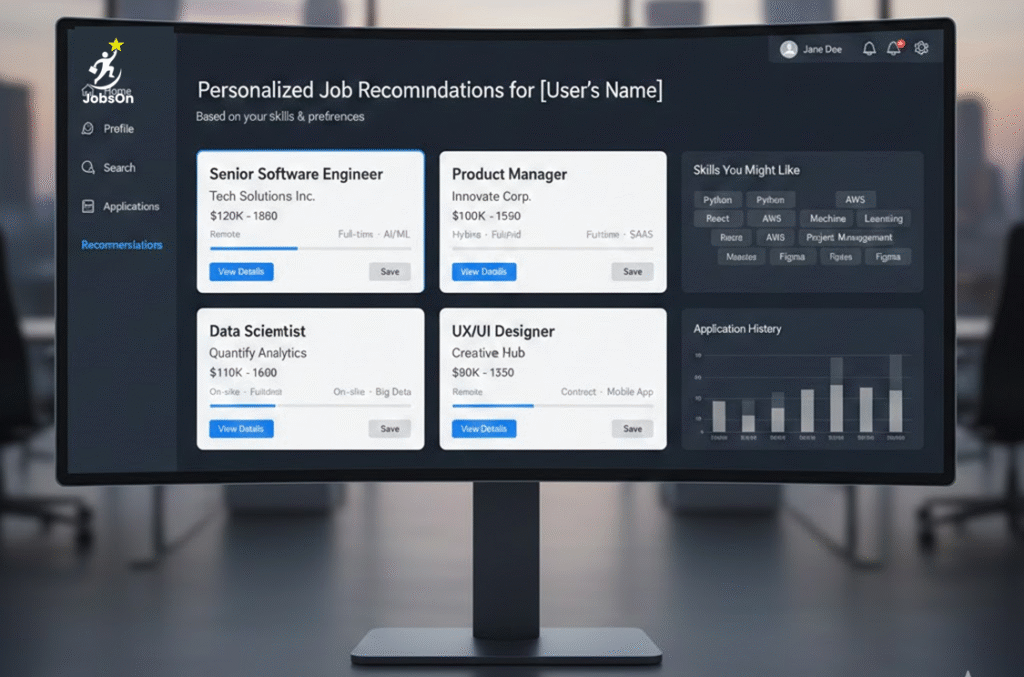
provide personalized job recommendations for job seekers in India.
4. Unorganized Recruitment Process
Many SMEs still rely on offline hiring or unstructured recruitment processes. Even when jobs are posted online:
- Candidates may not get timely responses.
- Opportunities are missed due to lack of proper screening.

and Naukri.com
5. Regional Disparities in Job Availability
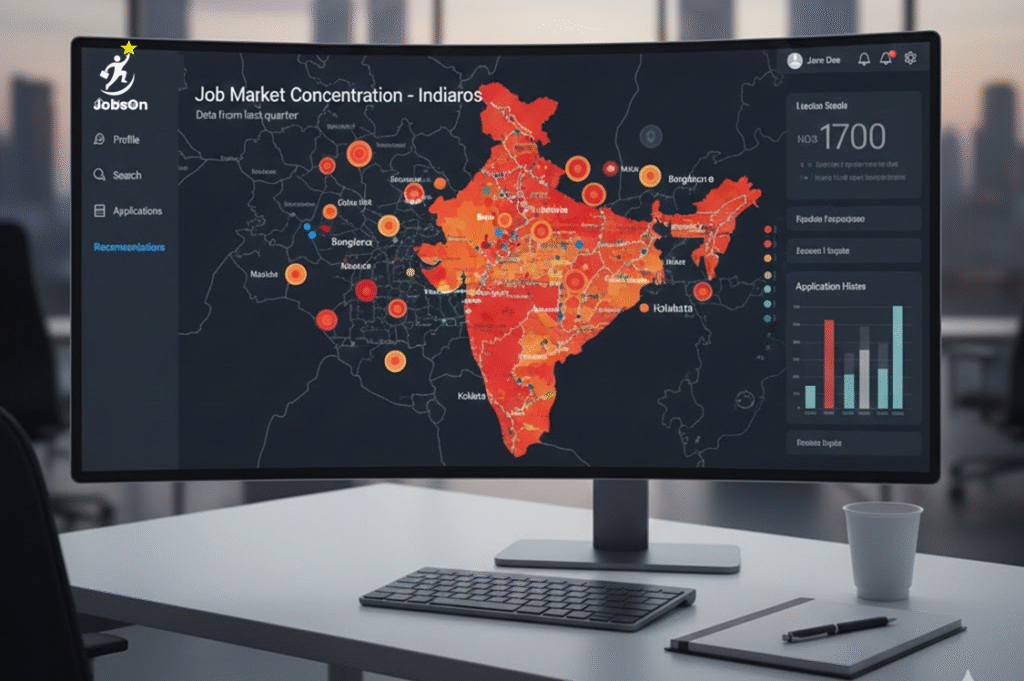
Job opportunities are concentrated in metro cities like Mumbai, Bengaluru, Delhi, Pune, and Hyderabad, leaving tier-2 and tier-3 cities underserved.
- Online platforms list jobs nationwide, but availability is limited outside metros.
- Candidates in smaller towns often lack access to jobs matching their skills.
and Naukri.com
7. The Way Forward
While job portals in India have revolutionized job access, challenges remain:
- Bridge the skills gap through practical training aligned with industry needs.
- Streamline recruitment for timely candidate responses.
- Promote opportunities in tier-2 and tier-3 cities.
- Use trusted portals like JobsOn and Naukri.com for verified job opportunities.

help job seekers secure employment in India